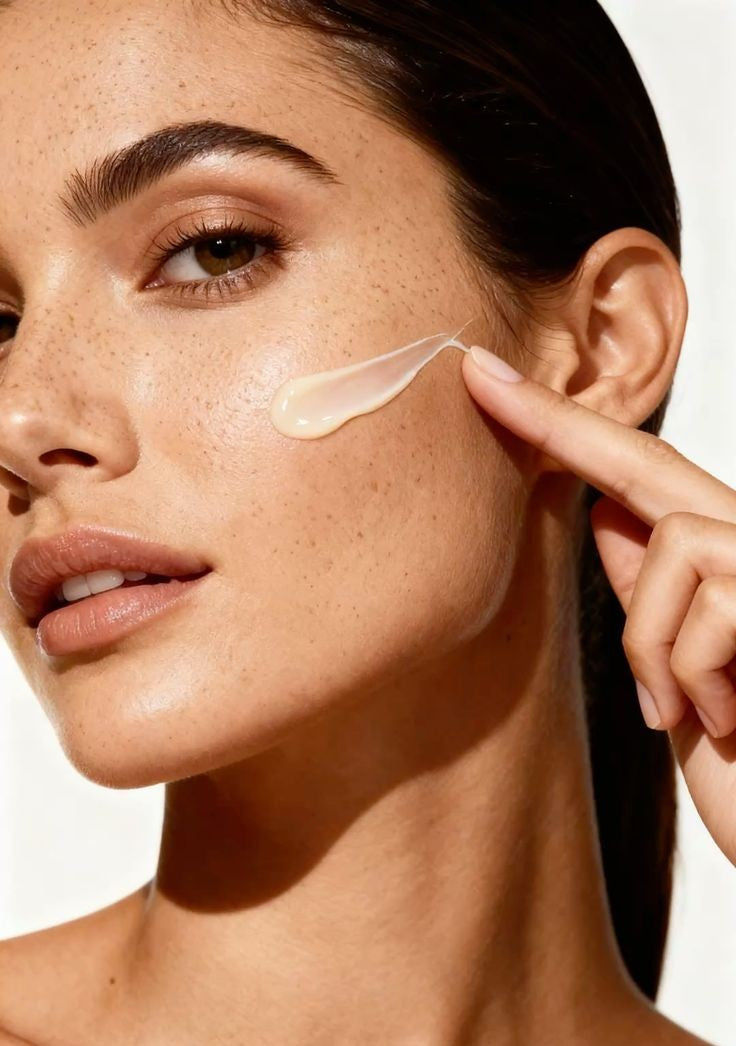
What Is Bloom Skin? The 2026 Korean Skincare Trend Replacing Glass Skin
For nearly five years, glass skin defined Korean beauty. That ultra-reflective, poreless, almost mirror-like finish became the goal for skincare lovers everywhere — and the entire K-beauty industry oriented around achieving it.
But in 2026, something is shifting. Korean beauty consumers, dermatologists, and industry leaders are moving toward something softer, healthier, and more achievable: bloom skin.
If you've been wondering what bloom skin actually is, how it's different from glass skin, and how to achieve it — this guide covers everything.
What Is Bloom Skin?
Bloom skin describes skin that looks naturally healthy, plump, and radiant — like a flower in full bloom. Rather than the reflective, almost wet-look finish of glass skin, bloom skin emphasizes a soft luminosity that comes from genuine skin health.
Think of the difference this way: glass skin looks like a polished, lacquered surface. Bloom skin looks alive — dewy, soft-focus, and radiant in a way that feels genuinely healthy rather than artificially glossy. The term itself evokes flower petals: supple, slightly translucent, and luminous without being greasy.
It's the kind of glow you get when you've been sleeping well, drinking enough water, and spending a relaxed week somewhere sunny and stress-free. Your skin looks lit from within — not coated on the surface. Koreans gave that look a name, and in 2026 it's become the defining skincare aesthetic.
Bloom Skin vs Glass Skin: What's the Difference?
| Glass Skin | Bloom Skin | |
|---|---|---|
| Finish | Ultra-reflective, high-gloss, wet-look | Soft, satin, petal-like luminosity |
| Focus | Surface appearance | Genuine skin health |
| Method | Many layers of hydrating products | Fewer, smarter, barrier-first products |
| Goal | Poreless, mirror-like perfection | Healthy, even-toned, naturally radiant |
| Vibe | Polished and perfect | Alive and dewy |
| Best for | Photos, controlled lighting | Real life, all skin types |
The biggest philosophical difference: glass skin prioritized how skin looks on the surface. Bloom skin prioritizes how healthy skin actually is — and lets the glow follow naturally from that health.
This shift matters because glass skin, for all its beauty, was hard to achieve and harder to maintain. It often required heavy layering that didn't suit oily skin, warm climates, or sensitive complexions. Bloom skin is more universally flattering and far more sustainable.
Why Korean Beauty Is Moving Toward Bloom Skin
Several forces are driving this shift in 2026:
1. The barrier-first movement
The biggest change in Korean skincare right now is the focus on skin barrier health. Consumers have become more ingredient-aware and far less interested in aggressive routines that leave skin irritated, stripped, or over-exfoliated. Instead, the priority is supporting the moisture barrier with ingredients like ceramides, panthenol, peptides, and fermented actives.
The new K-beauty philosophy is to strengthen before you correct. A healthy, resilient barrier is what produces lasting radiance — not layers of product sitting on the surface.
2. Intelligent minimalism
The exhausting 10-step routines that defined the 2010s are being replaced by what experts call "skin intelligence" — fewer products, but smarter formulas that do more in each step. Instead of piling on heavy layers, people are choosing a few breathable, fast-absorbing formulas that work well together.
Watery toners, milk essences, gel creams, and fluid serums are favored because they create a fresh, breathable finish without feeling sticky or congested. Every product has to earn its place.
3. Regenerative ingredients going mainstream
Ingredients once limited to dermatology clinics are now appearing in over-the-counter K-beauty products. PDRN (derived from salmon DNA), exosomes, and peptides are moving into mainstream retail in 2026. Used correctly in light, targeted formulas, these regenerative ingredients support skin repair at a cellular level — contributing exactly the kind of deep, healthy luminosity that defines bloom skin.
4. A return to skin-first thinking
Bloom skin reflects a broader cultural shift toward celebrating naturally healthy skin rather than masking imperfections. The goal isn't to erase every pore or create a reflective surface — it's to make skin look healthy enough to glow on its own. When skin is well-hydrated and happy, you need far less coverage to look radiant.
The Bloom Skin Routine: How to Achieve It
The good news? You don't need an elaborate routine to achieve bloom skin. The key is consistency and barrier support, not complexity. Here's how to build it.
Step 1 — Gentle Cleansing
Bloom skin starts with a healthy barrier, and that means never stripping your skin. Use a gentle, low-pH cleanser that removes impurities without leaving skin tight or dry. Harsh foaming cleansers that squeak are out — comfort is in.
Look for: gentle gel or cream cleansers, hydrating cleansing oils for the evening. Available at Llusso
Step 2 — Hydration Layering (the light way)
This is where bloom skin differs most from glass skin. Instead of piling on heavy layers, use a few lightweight, watery hydrators that absorb quickly. A hydrating toner followed by a thin essence is plenty.
Look for: watery toners, milk essences, fermented essences, lightweight hydrating serums. Available at Llusso
Step 3 — Treat Intentionally
Rather than using multiple strong actives at once, choose one targeted treatment that addresses your main concern — whether that's barrier repair, brightening, or anti-aging. This is the "fewer products, more intent" principle in action.
Look for: centella for soothing, niacinamide for tone, PDRN or peptides for regeneration, azelaic acid for even tone. Available at Llusso
Step 4 — Nourish and Seal
A barrier-supporting moisturizer locks everything in. In 2026, the emphasis is on ceramide-rich, panthenol-rich formulas that strengthen the skin's defense system and repair damage from pollution, stress, and harsh products.
Look for: ceramide creams, gel-creams for oily skin, richer barrier creams for dry skin. Available at Llusso
Step 5 — Protect Daily
Sunscreen is non-negotiable for bloom skin. UV damage breaks down the very barrier health and even tone that bloom skin is built on. A lightweight daily SPF is the single most important anti-aging and radiance-preserving step you can take.
Look for: lightweight SPF50+ that doesn't leave a white cast or feel heavy. Available at Llusso
Best Ingredients for Bloom Skin
If bloom skin is about barrier health and natural radiance, these are the ingredients that get you there:
| Ingredient | What it does for bloom skin |
|---|---|
| Ceramides | Rebuild and reinforce the skin barrier for lasting resilience |
| Centella Asiatica (Cica) | Calms inflammation, repairs the barrier, reduces redness |
| Panthenol (Vitamin B5) | Deeply hydrates and soothes, supports barrier recovery |
| PDRN | Regenerative ingredient that boosts elasticity and deep luminosity |
| Peptides | Support firmness, elasticity, and overall skin resilience |
| Niacinamide | Evens tone, refines texture, strengthens barrier |
| Fermented ingredients | Deliver bioavailable nutrients for a healthy, lit-from-within glow |
| Hyaluronic Acid | Provides the plump, dewy hydration central to the bloom look |
Notice what's not on this list: harsh, high-percentage exfoliating acids and aggressive actives. Bloom skin is about gentle, consistent support — not stripping and forcing results.
Korean Products That Support Bloom Skin
The brands leading this shift are the ones combining gentle, barrier-supporting formulas with proven ingredients. Here's where to start by concern:
For barrier repair and soothing: Centella-based products like the Skin1004 Madagascar Centella Ampoule deliver pure, gentle barrier support — perfect for building the healthy foundation bloom skin requires.
For natural luminosity: The Beauty of Joseon Glow Serum (propolis + niacinamide) and Dynasty Cream (rice + ginseng) deliver that soft, lit-from-within radiance without heaviness.
For regenerative glow: PDRN-based products like the Anua PDRN Hyaluronic Acid Capsule Serum or VT Cosmetics PDRN line provide the deep, cellular-level luminosity that defines modern bloom skin.
For calm, even-toned skin: COSRX Snail Mucin Essence and Anua Heartleaf products soothe and balance — clearing the redness and irritation that block a healthy bloom.
For protection: A lightweight daily SPF like Beauty of Joseon Relief Sun preserves all your hard work without disrupting the dewy finish.
Bloom Skin by Skin Type
| Skin Type | Bloom Skin Priority |
|---|---|
| Dry | Heavy focus on ceramide creams + layered hydration |
| Oily | Lightweight gel hydrators + barrier support without heaviness |
| Combination | Balance hydration zones, lightweight layering |
| Sensitive | Centella, panthenol, minimal actives, fragrance-free |
| Mature | Add PDRN/peptides for regeneration alongside hydration |
Frequently Asked Questions
Is bloom skin better than glass skin? It's not about better — it's about healthier and more achievable. Glass skin focused on a reflective surface look, while bloom skin focuses on genuine skin health that produces natural radiance. Bloom skin is more sustainable and suits more skin types and climates.
How long does it take to achieve bloom skin? Because bloom skin is built on barrier health, it takes consistency over 4-8 weeks to see real results. Unlike the temporary shine of glass skin techniques, bloom skin radiance is the result of genuinely healthier skin — so it lasts.
Do I need a lot of products for bloom skin? No — quite the opposite. Bloom skin embraces "intelligent minimalism": fewer products, but smarter, multi-functional formulas. A simple 5-step routine done consistently beats a 10-step routine done occasionally.
Can oily skin achieve bloom skin? Absolutely — and bloom skin is actually better suited to oily skin than glass skin was. The focus on lightweight, breathable formulas and barrier health (rather than heavy layering) works beautifully for oily and combination skin.
What's the most important step for bloom skin? Barrier support and daily SPF. A healthy barrier is the foundation of all bloom skin radiance, and sun protection preserves the even tone and skin health it's built on.
The Bottom Line
Bloom skin isn't just another fleeting trend — it represents a genuine shift in how Korean beauty approaches skin health. By focusing on barrier integrity, intelligent minimalism, and natural radiance, it produces results that are more sustainable and more universally flattering than the glass skin era ever was.
The Korean glow has never come from miracle products or viral hacks. It comes from disciplined, consistent habits, a protected skin barrier, and formulas backed by real science. Bloom skin simply makes that philosophy the explicit goal: skin that looks alive, healthy, and radiant from within.
If you want to future-proof your skincare in 2026, this is where to start. Pick the concern that matters most to you — barrier repair, hydration, or regeneration — build a simple, consistent routine around it, and let your skin bloom.
Shop barrier-supporting, bloom-skin-ready Korean skincare at Llusso — authentic K-beauty, worldwide shipping.
Keep Reading — More K-Beauty Guides
10 Best Korean Serums for Glass Skin in 2026 The serums that deliver real, lasting radiance — from COSRX to Beauty of Joseon and beyond.
What Is PDRN? The Skincare Ingredient Taking Over K-Beauty The regenerative ingredient at the heart of the bloom skin movement, explained.
Beauty of Joseon Complete Product Guide: What to Buy First Build your bloom skin routine with one of K-beauty's most beloved barrier-friendly brands.
Always patch test new skincare products and consult a dermatologist for persistent skin concerns.