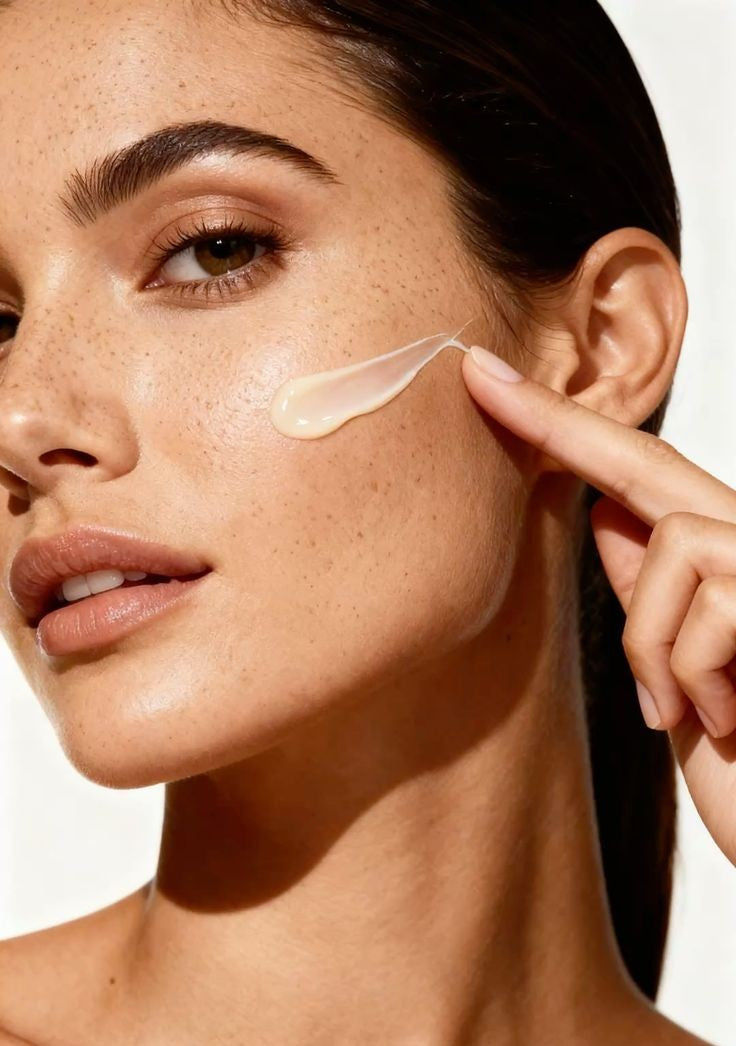
What Is Slugging? The Overnight Method for Deeply Hydrated Skin
Last updated: Aug 2026
Quick answer: Slugging is the practice of applying a thin layer of an occlusive — like petrolatum (Vaseline) or an occlusive balm — as the very last step of your nighttime routine to seal in moisture and prevent water from evaporating out of your skin overnight. The name comes from the slug-like sheen it leaves. It's a powerful way to deeply hydrate and repair dry, dehydrated, or barrier-damaged skin, especially in cold or dry weather. But it's not for everyone: oily and acne-prone skin can break out from it, and you should never slug directly over strong actives like retinoids or exfoliating acids, which can intensify their effect and cause irritation. Done right — clean skin, hydration, moisturizer, then a thin occlusive seal — you wake up to plumper, softer skin.
Slugging blew up on social media, and behind the slightly gross name is a genuinely effective barrier-care technique. Here's what it is, who it's for, and how to do it safely.
What is slugging?
Slugging means coating your face — usually just at night — with a thin layer of an occlusive product as the final step, on top of everything else. Rather than treating your skin, the occlusive acts like a lid: it locks in all the hydrating layers underneath and stops moisture from escaping while you sleep.
The classic slugging product is plain petroleum jelly (Vaseline or Aquaphor), but occlusive balms and squalane-based products are popular gentler alternatives. The "slug" nickname refers to the glossy, slightly slick film it leaves on your skin.
How does slugging work?
The key is a process called transepidermal water loss (TEWL) — the constant, passive evaporation of water out through your skin. When your barrier is dry or damaged, TEWL speeds up, and your skin loses moisture faster than it can hold it.
Occlusives form a physical, breathable barrier on the surface that dramatically slows this water loss. By sealing in the hydration and moisturizer you applied beforehand, slugging gives your skin an uninterrupted overnight window to rehydrate and repair. It doesn't add moisture itself — it traps it — which is why what you put on before slugging matters just as much.
Benefits of slugging
- Deep, lasting overnight hydration — skin wakes up plump and soft
- Barrier repair — an ideal recovery method for a dry or compromised barrier
- Soothes flaking and tightness — great for winter, dry climates, and heated indoor air
- Boosts your other products — locks in the serums and moisturizers underneath
- Softens rough texture — smooths dry, dehydrated patches
Who should (and shouldn't) try slugging?
Great for:
- Dry and dehydrated skin — the ideal candidate
- Compromised or damaged barriers — helps them recover
- Winter/cold-climate skin or anyone in dry, heated indoor air
- Normal skin that needs an occasional hydration boost
Approach with caution or skip:
- Oily and acne-prone skin — sealing everything in can trap oil and congestion and trigger breakouts. If you try it, do so sparingly and watch how your skin responds.
- Skin using strong actives — never slug directly over retinoids or exfoliating acids; the occlusive can drive them deeper and intensify irritation.
- Very humid climates — your skin may not need the extra seal.
How to slug (step by step)
- Cleanse your face (a gentle nighttime cleanse)
- Apply hydrating layers — toner, essence, or a hydrating serum (hyaluronic acid is perfect here)
- Apply your moisturizer as usual
- Seal with a thin layer of occlusive — a little goes a long way; you want a light film, not a thick mask
- Sleep — use an old pillowcase, since occlusives can transfer
- Cleanse in the morning to remove the residue, then continue your day routine
Start with once or twice a week and adjust based on how your skin feels.
What to avoid when slugging
- Slugging over actives — no retinol, retinal, AHAs, or BHAs underneath; keep those for non-slugging nights
- Using too much product — a thick layer isn't better; it just feels heavy and messy
- Slugging every night if your skin doesn't need it — especially oily or acne-prone skin
- Applying to dirty skin — you'd be sealing in oil and debris; always start clean
- Skipping the hydration step — slugging traps moisture, so make sure there's moisture to trap
Frequently asked questions
What does slugging do for your skin? It seals in moisture overnight by preventing water loss, giving dry or damaged skin an uninterrupted window to rehydrate and repair. You wake up with softer, plumper, more hydrated skin.
Is slugging good for acne-prone skin? Usually not. Sealing everything in can trap oil and congestion and cause breakouts. If your skin is oily or acne-prone, be cautious — or skip slugging in favor of a lighter approach.
Can I slug over retinol or acids? No. Occlusives can push actives deeper and intensify irritation. Only slug on nights you're not using retinoids or exfoliating acids.
How often should I slug? Start with once or twice a week, especially in dry weather. Dry, barrier-compromised skin may benefit from more; oily skin should do it rarely, if at all.
What can I use to slug besides Vaseline? Occlusive balms, Aquaphor, or squalane-based products are popular alternatives. The goal is any breathable occlusive that seals in moisture — pick what feels comfortable for your skin.
The bottom line
Slugging is a simple, effective way to deeply hydrate and repair dry or barrier-damaged skin: cleanse, hydrate, moisturize, then seal with a thin occlusive layer at night. It's a winter and dry-skin hero — but not one-size-fits-all, so oily and acne-prone skin should be cautious, and no one should slug over active ingredients. Trap moisture the smart way, and wake up to soft, plump skin.
Want to try the overnight hydration hack? Explore Llusso's occlusive balms and barrier-sealing moisturizers. Link to relevant collection.